Image: AI-generated editorial illustration. Pictured books and objects are illustrative and are not the recommended products.
Research checked October 20, 2026
This article contains affiliate links. If you buy through an Amazon link, Form & Paper may earn a commission. As an Amazon Associate I earn from qualifying purchases.
Choose Making a Great Exhibition for a child curious about how an art show happens, Museum in a Book for someone who wants to arrange and make, and The Art Book for Children for conversations about individual artworks. The published age guidance differs: 3–7, 5–99, and 7–12 respectively. Start with the child’s interest and the kind of shared reading you want, then check the format. These books approach museums through process, participation, and looking; they are not interchangeable museum encyclopedias.
“A museum book” can mean several things. It might explain who puts an exhibition together, turn the book itself into a display, or offer a place to spend time with art. Choosing between those purposes is more helpful than finding the longest list of famous paintings.
These three selections are for adults buying for children. Publisher age ranges are reported separately from our suggestions for reading together. The conversation ideas below are editorial suggestions, not claims that a book will produce a particular learning outcome.
At a glance
| Book | Recommended gift age | Main invitation |
|---|---|---|
| Making a Great Exhibition | 3–7 | Follow art from studio to exhibition |
| Museum in a Book | 5+; publisher lists 5–99 | Arrange an interactive display |
| The Art Book for Children | 7–12 | Look at and discuss artworks |
01 Making a Great Exhibition
- By
- Doro Globus; illustrated by Rose Blake
- Edition
- Hardcover; 40 pages; publisher age range 3–7
- ISBN
- 9781644230497
For “how did this get here?” questions · Recommended gift age: 3–7 (publisher guidance)

The book follows two artists’ work from the studio toward an exhibition, introducing people involved along the way. That gives it a particular job in this shortlist: making the usually less visible work around an exhibition part of the story.
Choose it for a child who asks where things come from or who does each job. A useful shared-reading question is “Who helped this artwork get to this room?” The aim is a conversation about the people and decisions behind a visit, rather than a test of remembered artist names.
Choose another book if you want: a wide reference collection of artworks or a book that unfolds into a display.
02 Museum in a Book: An Ideal Exhibition—Explore, Play, Create
- By
- Hervé Tullet
- Edition
- Novelty book; 70 pages; 8.25 × 10.625 in. closed; publisher age range 5–99
- ISBN
- 9781797226415
For the child who wants to arrange the room · Recommended gift age: 5+ (publisher lists 5–99)
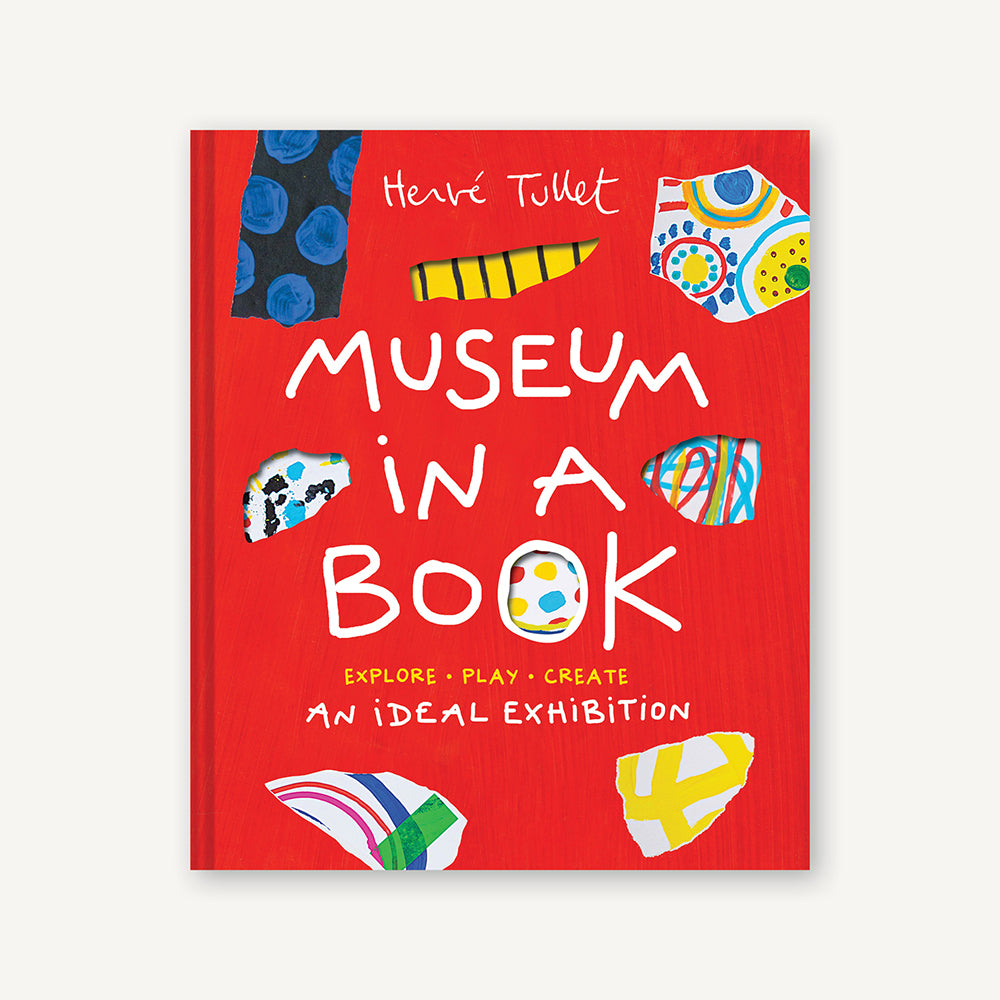
Tullet’s book turns looking into an activity: its die-cut pages and spiral construction can be arranged into a display. Chronicle describes an open configuration reaching almost five feet wide. That is a useful practical distinction from the closed book’s dimensions.
Choose it when the recipient enjoys changing how things sit together. Plan for a clear surface, and treat the arranging as part of the gift. This is not our pick for someone who primarily wants a chronological history of art, or for a reading occasion where everything needs to stay compact.
Choose another book if you want: a conventional read-aloud with a fixed sequence or a small tabletop footprint while open.
03 The Art Book for Children
- By
- Ferren Gipson, Amanda Renshaw, and Gilda Williams
- Edition
- Hardback; 192 pages; 290 × 234 mm; publisher age range 7–12
- ISBN
- 9781838667870
For conversations that begin with an artwork · Recommended gift age: 7–12 (publisher guidance)
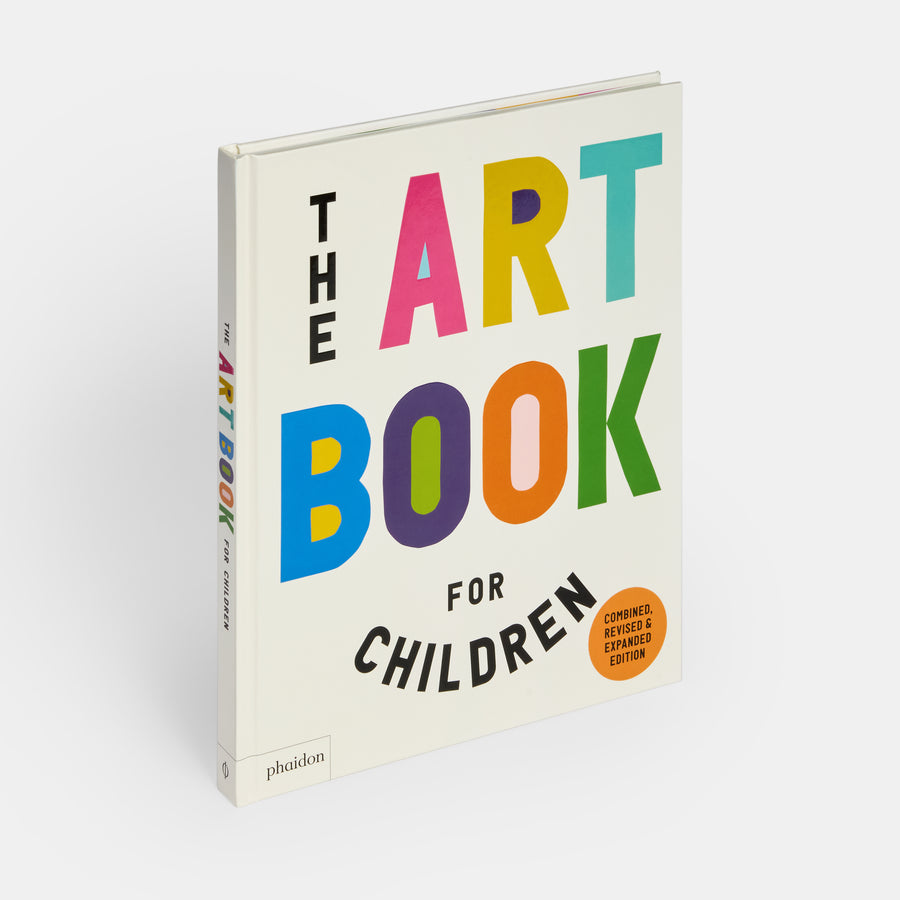
This combined, revised edition brings material from the earlier two volumes together with new contemporary entries. It is the artwork-centered option: choose it when the next interesting question is about an image, rather than the logistics of an exhibition or the construction of a display.
For shared reading, begin with one work and allow the conversation to stay there. “What did you notice first?” leaves room for an answer that is not the adult’s answer. The book’s larger format and length make it a different commitment from the shorter exhibition story.
Choose another book if you want: a brief preschool read-aloud or a paper-engineered activity book.
Before a visit, after a visit, or instead of a visit?
Before a museum trip, a book about the people behind an exhibition can make the visit feel more concrete. Afterward, an artwork-centered book can extend a conversation without requiring the family to remember every room. A display-making book offers a different route altogether: making choices about what goes beside what.
These are ways to use the books, not prerequisites. A child does not need to have visited a major museum to enjoy arranging shapes or talking about an image. Equally, a book does not need to become a project every time it is opened.
How much should an adult explain?
Try a question before an explanation. Ask which image the child would return to, what they would place beside it, or what title they would give a small display. Then leave time for the answer. You can add a name or fact afterward without turning every spread into a lesson.
If the child wants to move on, move on. These are suggestions for a shared encounter with a book, not a reading program or a measure of readiness.
What the age labels do—and do not—tell you
Chronicle’s unusually broad 5–99 listing signals a cross-age creative audience; it is not the same as a preschool recommendation. The other two ranges distinguish a younger exhibition story from an older children’s art selection. For a gift, consider the recipient’s familiarity with movable pages and whether an adult will read alongside them.
Our choice for a first museum-themed gift
For a younger child interested in how places work, start with Making a Great Exhibition. For a child who wants to build the experience, choose Museum in a Book. For a reader ready to spend longer with images and questions, choose The Art Book for Children. The strongest choice follows the activity the child already gravitates toward.
Keep exploring
How this guide was made
This guide was prepared with AI assistance using the publisher and distributor sources linked above, checked on October 20, 2026. Selection notes are editorial judgments based on those materials, not hands-on testing or ownership. Edition details can differ between listings; match the ISBN before buying.
Editorial standards · Affiliate disclosure · Corrections: editor@formandpaper.com