Image: AI-generated editorial illustration. Pictured books and objects are illustrative and are not the recommended products.
Research checked October 20, 2026
This article contains affiliate links. If you buy through an Amazon link, Form & Paper may earn a commission. As an Amazon Associate I earn from qualifying purchases.
Start with Japanese Interiors if you want to look at homes, Tadao Ando. Sketches, Drawings, and Architecture if you want to follow one architect’s thinking, Japanese Design Since 1945 if your interest extends to objects and industrial design, and Japan Style if you want a cultural essay about aesthetics. These are different entry points, not four versions of a minimalist decorating book. For an interiors-focused gift, Japanese Interiors is our first choice; for an established Ando interest, choose the drawing-led volume.
“Japanese design” is too broad to be a shopping category on its own. An image of a room, a chair, and an architectural sketch may all appeal to the same person, but a book built around each will ask something different of its reader.
The useful starting question is simple: what do you want to understand next? This selection moves from homes to one architect’s process, then outward to postwar design and aesthetics. It keeps those purposes separate instead of treating Japanese interiors as a single neutral-colored look.
At a glance
| Book | Start here for | Know before choosing |
|---|---|---|
| Japanese Interiors | Homes and residential spaces | A survey of residences, not a renovation manual |
| Tadao Ando. Sketches, Drawings, and Architecture | One architect’s design process | Large, heavy multilingual volume |
| Japanese Design Since 1945 | Objects and postwar design history | Broader than architecture; check retailer binding |
| Japan Style | Art, culture, and aesthetics | An interpretive essay, not a room-by-room guide |
01 Japanese Interiors
- By
- Mihoko Iida; contributions by Danielle Demetriou
- Edition
- Hardback; 256 pages; 270 × 205 mm
- ISBN
- 9781838663995
For the person collecting ideas about rooms
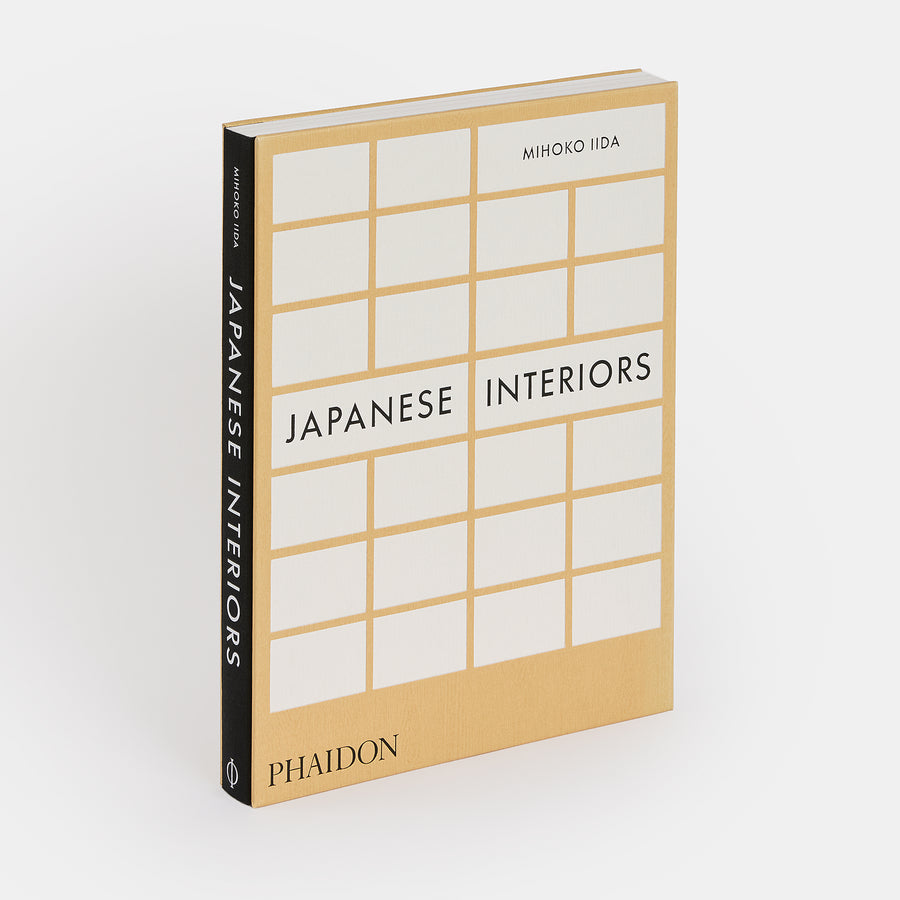
This survey brings together 28 residences, giving the reader more than one model of a Japanese home. Its focus makes it the clearest first purchase here for someone drawn to domestic spaces rather than a particular architect’s career.
Read it comparatively: what changes from one home to the next, and what catches your attention even when the rooms differ? That is a more useful approach than hunting for a formula to reproduce. We would choose it for an interiors reader who wants a visual point of departure, while keeping expectations separate from practical building or renovation advice.
Choose another book if you want: construction instructions, measured plans for your own project, or a single-architect monograph.
02 Tadao Ando. Sketches, Drawings, and Architecture
- By
- Tadao Ando
- Edition
- Hardcover; 594 pages; 28 × 33.7 cm; 4.49 kg; English, French, and German
- ISBN
- 9783836586016
For an interest in how buildings begin

TASCHEN centers this volume on sketches, drawings, models, and technical plans, with Ando introducing the ideas behind his work. It is a more specific gift than a general collection of interiors: the recipient should have an interest in architectural thinking, or in Ando himself.
The physical scale is consequential. At 594 pages and a publisher-listed 4.49 kg, this is a book to give with its future reading place in mind. Choose it for sustained attention at a table, rather than assuming it will serve as an easy book to carry between rooms or on a trip.
Choose another book if you want: a compact introduction, a survey of multiple architects, or primarily decorating inspiration.
03 Japanese Design Since 1945
- By
- Naomi Pollock
- Edition
- 448 pages; publisher trim size 11⅛ × 9⅛ in.; confirm binding with the selected retailer
- ISBN
- 9781419750540
For the reader whose interest extends beyond buildings

Pollock’s survey ranges across objects, furniture, fashion, vehicles, and buildings. That breadth makes it useful when a gift recipient’s interest in Japan includes the design of everyday things, rather than homes alone.
Choose it to place a room or object within a wider design conversation. It can be a better match for the person who asks who designed a radio than for someone collecting apartment photographs. The checked Abrams page labels this ISBN Paperback; other retail descriptions can differ, so confirm the offered binding before ordering rather than relying on the cover image.
Choose another book if you want: an interiors-only selection or a book devoted exclusively to traditional craft.
04 Japan Style
- By
- Gian Carlo Calza
- Edition
- Hardback; 304 pages; 270 × 205 mm; current reissue with a new cover
- ISBN
- 9781837290017
For the reader asking what an aesthetic means
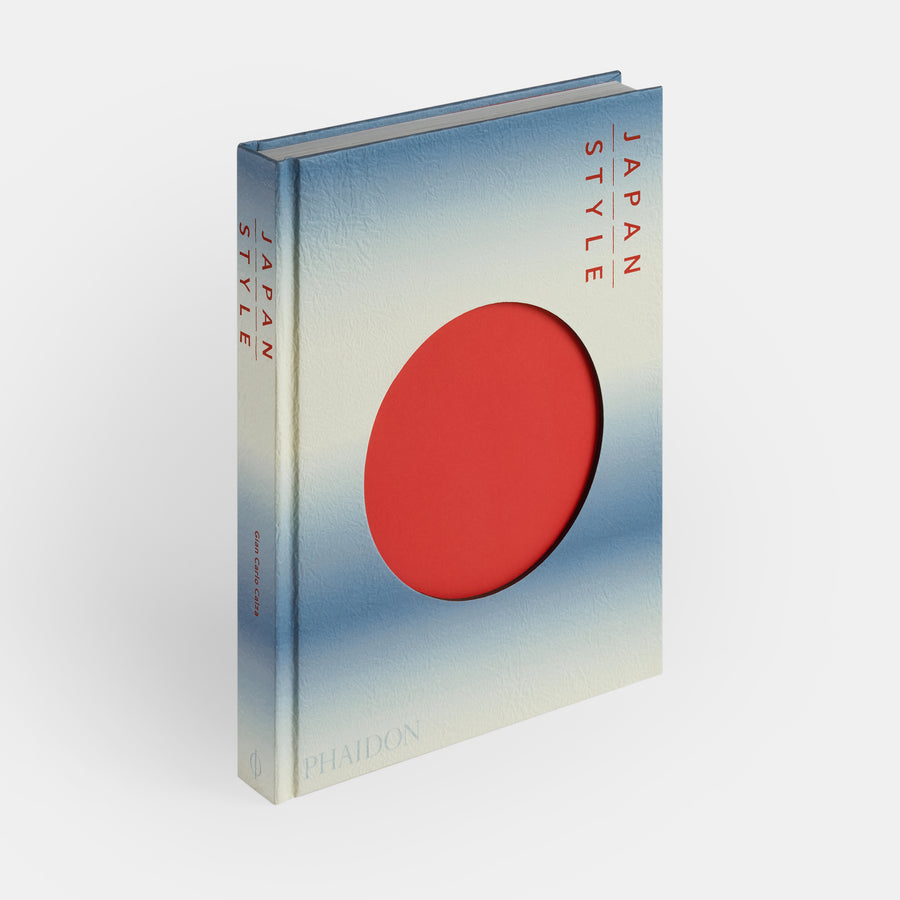
Calza approaches Japanese art, architecture, and culture through an interpretive visual essay. This is the option for someone whose interest has moved from “I like this room” toward questions about aesthetic ideas and their context.
We would choose it for a reader comfortable with an author’s argument, rather than someone looking for a catalog of interiors to imitate. Treat it as one scholarly perspective on a broad subject. The current edition is described as a return to print with a new cover; that is not a reason to assume all of its text is newly written.
Choose another book if you want: a practical decorating workbook or a survey focused only on contemporary homes.
Which one should you buy first?
Buy Japanese Interiors first if your question begins with a home. Buy the Ando volume first if it begins with a particular architect. Start with Pollock if it begins with a designed object, and Calza if it begins with an aesthetic idea. This keeps the purchase tied to a real curiosity rather than to the broadest possible label.
For someone whose tastes you know only through saved room photographs, the residential survey is the clearest match. The Ando book is a more specific—and physically much larger—commitment.
Are these Japandi books?
This selection is organized around the subjects each book covers, not a Japandi decorating brief. A preference for restrained rooms may be the starting point, but it is not a complete description of Japanese architecture or design. If your goal is to furnish a particular room, first decide whether you need visual references, practical dimensions, or historical context. These books principally offer the first and third.
A useful two-book pairing
For a reader who already owns an interiors survey, a second interiors survey may not be the most interesting addition. Pair a view of rooms with a different lens: drawings for process, objects for breadth, or essays for interpretation. You do not need to buy the pair at once; it is also a way to decide what a collection is missing.
Keep exploring
How this guide was made
This guide was prepared with AI assistance using the publisher and distributor sources linked above, checked on October 20, 2026. Selection notes are editorial judgments based on those materials, not hands-on testing or ownership. Edition details can differ between listings; match the ISBN before buying.
Editorial standards · Affiliate disclosure · Corrections: editor@formandpaper.com